

A Woman’s Guide to Perimenopause Part II: The Truth About HRT & Bioidentical Hormones
Published On: October 8, 2024

It may sound surprising to hear integrative functional medicine doctors touting the benefits of hormone replacement therapy (HRT) for perimenopause.
After all, we were all told back in the early 2000s that HRT caused breast cancer and heart attacks.
As mentioned in Part 1 of this series, A Woman’s Guide To Perimenopause: Signs and Symptoms, Hormonal Changes, Testing, & More subsequent analyses of the 2002 Women’s Health Initiative (WHI) data—the original study that caused all the HRT panic and deprived millions of women of its benefits—and other studies suggest the study design was flawed, and the risks were overblown and miscommunicated.
Plus, when I talk about the benefits of HRT, I’m not talking about the synthetic hormones used in the past. I’m talking about bioidentical or body-identical hormones, which is a whole other ball game.
If this comes as a shock, that is totally understandable, and I encourage you to keep reading!
Sadly, word has been slow to get out about the miscommunications and flaws in the original studies about HRT risks and how bioidentical hormones are different and offer a superior risk/benefit profile.
Fortunately, pioneering women’s health practitioners are rising up to combat this decades-old misinformation campaign with the more current facts about the risks and benefits of HRT.
Here, we’ll discuss in detail the flaws of the original WHI study and how the perceived risks of HRT became so grossly inflated and miscommunicated.
More importantly, we’ll go into detail about:
- How different combinations of HRT, timing, and delivery systems significantly impact risk versus benefit.
- Why bioidentical hormones are not the same as synthetic.
- Does HRT increase the risk of breast cancer (the answer may surprise you)?
- The benefits of HRT based on widely published studies for menopausal symptoms, brain health, bone health, mood, metabolism, skin, sexual health, and more.
- The real risks of HRT, how to lower those risks, and who may not be a candidate.
- And why I believe the benefits of HRT outweigh the risks in most women.
If you’ve been suffering through perimenopause or menopause because of fears about cancer, this information may be life-changing (and incredibly empowering).
And if you’re already resolved to start taking HRT, this article will give you the information you need to have a productive conversation with your doctor about the type of hormones, delivery system, and timing of treatment for maximum benefit and minimal risk.
(Spoiler alert: you don’t have to wait for full-blown menopause to start HRT. In fact, often, the earlier, the better.)
The Real Story Behind The Flawed Women’s Health Initiative Study That Almost Killed HRT
Anyone over 40 likely remembers their mothers, aunties, or grandmothers raving about the benefits of HRT.
Women loved it because it helped menopausal symptoms like hot flashes, vaginal dryness, and mood concerns while also promoting more youthful skin and overall appearance.
In its heyday, HRT was considered one of modern medicine’s most miraculous advances for women.
However, that came to a screeching halt in 2002 with the release of the Women’s Health Initiative (WHI) Study.
Launched in 1991, the WHI study was a large-scale, long-term study designed to investigate the major health risks and benefits of hormone therapy in postmenopausal women.
Its primary goal was to investigate the effects of HRT on cardiovascular disease, with additional outcomes related to osteoporosis and colorectal cancer. The study was randomized based on cardiovascular risk, not baseline breast cancer risk.
However, breast cancer became a major focus after the study reported an increased incidence of breast cancer in women taking combined HRT with estrogen and progestin.
This sparked a media frenzy that significantly impacted public perception of HRT, with headlines that read “HRT Causes Breast Cancer.”
Of note: investigators saw reduced risks of colorectal cancer, hip fractures, and diabetes, yet that was never mentioned in the media narrative.
Nevertheless, this caused a massive shift in the use of HRT, as women began discontinuing HRT en masse, and many doctors became extremely hesitant to prescribe it.
The thing is, it made a great headline, but the results of that study were misinterpreted and misrepresented in some ways, as was confirmed by several later research studies and reanalysis of the original WHI data (which we’ll share soon).
Over time, more detailed analyses of the WHI results showed the risks were more complex and often depended on factors like a woman’s age, health status, the timing of HRT initiation, and the type and administration of hormones.
This is why a generation of women missed out on the benefits of HRT altogether.
It’s also why your doctor doesn’t (likely) know much about HRT/bioidentical hormones and why she or he may even shame you for asking!
As we’ve reexamined the WHI data and emerging research more closely over the past decade, it appears that the interpretation of the original study did a huge disservice to women’s health… some would argue, the greatest disservice to women’s health ever.
The media has been slow to report on this new narrative, in part because the shock factor is lacking.
Alright, I’ve made some pretty bold statements here. Stay tuned because I’ll back all this up with more explanation and what the new studies say about breast cancer risk and HRT.

If this resonates, there's more.
My newsletter and community are where I share clinical insight, evolving research, and what's helping women feel more like themselves again in midlife.
The Problems With The Women’s Health Initiative (WHI) Study: What We Know Now
The WHI had some flaws in its design and methodology, which led to misleading conclusions about HRT.
Firstly, as mentioned above, this was not a breast cancer trial and was not designed as such. It was designed to track cardiovascular risks and was randomized for baseline cardiovascular risk, not baseline breast cancer risk.
And study design significantly impacts study results. Let’s examine this further.
The following are some of the key issues with the WHI study1 2
- Population selection: The average age of participants was 63, much older than the typical age when women start HRT (around 50). The women were also asymptomatic. This may have skewed results, particularly regarding cardiovascular risks.
- Hormone formulation: The study used conjugated equine estrogens (CEE), also known as Premarin, and a synthetic progestin called medroxyprogesterone acetate (MPA). Neither CEE nor MPA are identical to human hormones and have different risk profiles than the body-identical hormones we use today, such as estradiol and micronized progesterone (more on this forthcoming). Think of CEE and MPA as a first-generation birth control pill. What we have now is much better and safer.
- Lack of consideration for different HRT regimens: The study didn't adequately account for variations in hormone types, doses, and administration methods. Does dosage, hormone type (synthetic vs. bioidentical and other forms), and taking it via pill, cream, or patch really matter? You bet it does! More on this to come.
- Timing hypothesis: Many participants started HRT long after menopause. More recent research has shown that beginning HRT closer to the onset of menopause and during perimenopause can have different effects, including more benefits and much fewer risks, compared to starting it many years later. The "timing hypothesis" suggests that early initiation may have more favorable outcomes. After all, hormones are better at prevention than cure or reversal.
- Breast cancer risk overestimation: The initial reports miscalculated and overestimated breast cancer risk in women using combined estrogen-progestin therapy. There were many factors involved in this, such as unusually low rates of breast cancer in the placebo group, no breast cancer prescreenings of trial participants via mammogram, discontinuation of HRT prior to the trial, no exclusion of women at high risk of breast cancer, and more which we'll discuss in subsequent sections.
- Overgeneralization of results: The WHI results were generalized to all forms of HRT and all age groups (remember, the study was only done on women in their 60s), leading to widespread fear and a sharp decline in HRT use. This overgeneralization ignored the differences in hormone formulations, dosages, and the timing of initiation.
- Miscommunication: The initial communication of the WHI findings to the public and healthcare providers emphasized the increased risk of breast cancer without sufficient context. This led to a perception that all HRT was dangerous, despite that subsequent analysis and studies have provided a more nuanced understanding.
All these issues, coupled with the myopic and dramatized media narrative, contributed to mass confusion and fear surrounding HRT.
What You Need To Know About The Women's Health Initiative (WHI) Reanalysis
Most people heard about the 2002 WHI study in relation to breast cancer risk, but not very many have heard about the reanalysis of that data in 2013.
This subsequent reanalysis showed younger women ages 50-59 or those closer to menopause may experience more benefits than risks from HRT.
Hmm, that’s important, isn’t it!?
Key points from the reanalysis include: 3, 4
- Cardiovascular Effects: It was noted that younger women (50-59 years) using HRT had a lower risk of heart disease compared to older women. The increased risk of heart attack and stroke seen in the original analysis was more prominent in older women who started HRT much later after menopause onset.
- Breast Cancer: The reanalysis reiterated that the risk of breast cancer was primarily associated with estrogen-progestin therapy, not estrogen-only therapy. Estrogen-only therapy in women who had undergone hysterectomy was actually linked with a slightly reduced risk of breast cancer.
- Bone Health: The benefits of HRT on bone health were reinforced, particularly in reducing the risk of osteoporotic fractures like hip fractures.
- Blood Clot: Both the estrogen-alone and estrogen-progestin arms continued to show an increased risk of blood clot, although the risk was lower for women starting HRT closer to menopause. Remember the medications studied in the WHI were sort of like birth control pills for older women, and we’d expect a small increased risk of blood clot with that.
- Dementia: Women who began HRT before age 65 had a reduced risk of Alzheimer's disease and dementia.
This reanalysis helped shift the perspective on HRT, and here we are over a decade later.
But remember, all of this data is based on CEE (conjugated equine estrogen) and a synthetic progestin used in the past.
We now use bioidentical or body-identical hormones, which have a more favorable risk profile. Which brings me to our next discussion.
Synthetic Hormones Are Not The Same As Bioidentical/Body-Identical Hormones
As I said above, when I talk about the benefits of HRT in 2024 (and beyond), I’m not talking about the first-generation HRT medications like CEE and MPA.
Synthetic hormone derivatives significantly from body-identical forms of estradiol and progesterone.
It is essential you understand this before we go on because, as their name and reputation suggest, bioidentical or body-identical hormones are safer, especially when taken in optimal forms and delivery systems.
I like the term body-identical to describe hormones like estradiol and micronized progesterone because they are chemically identical to the hormones produced by the human body. These hormones are an alternative to synthetic hormones used in old-school HRT and studied in the WHI.
Body-identical helps distinguish chemically identical hormones from the term bioidentical, which is generally associated with custom-compounded formulations, but both terms refer to hormones structurally identical to human hormones.
You might be surprised to learn that most pharmacies (not just compounding pharmacies) dispense body-identical hormones, and most doctors who are trained in menopause care are prescribing them these days.
The Type (Body-Identical versus Synthetic Derivatives) And Delivery (Transdermal Versus Oral) Of HRT Matters A Lot
And this can get complicated!
Regardless, we must go on (I promise, you can grasp this, so stick with me!).
Let’s Start By Examining The Difference Between Synthetic And Body-Identical Progesterone
The term "progestogens" refers to both body-identical progesterone and synthetic progestins. This makes reading through research (or your Google search) potentially very confusing.
It also doesn’t help that many large medical institutions maintain, even after ample research has shown the opposite, that there is no difference in how these hormones act on the body.5
I’ll share more of that research coming up, but here’s a summary.
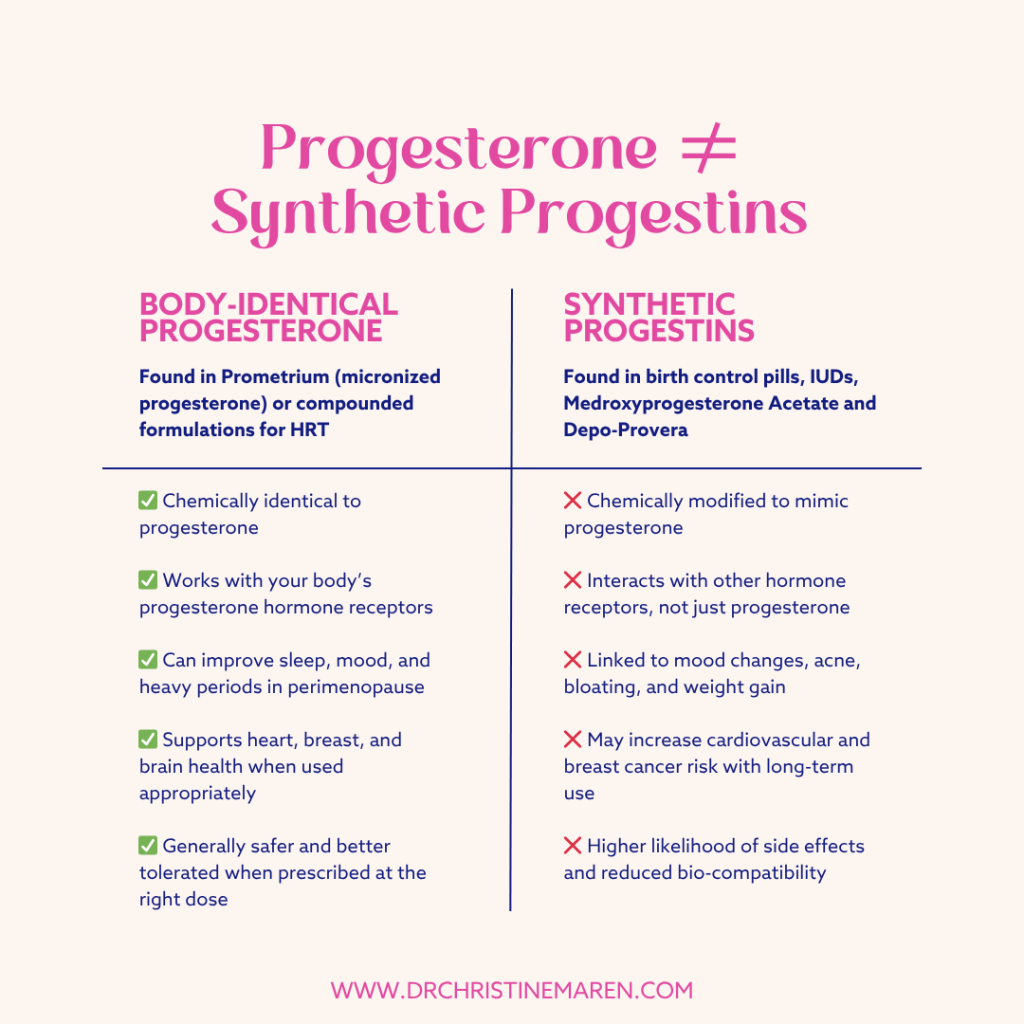
Body-identical progesterone is chemically identical to the progesterone produced naturally by the human body.
On the other hand, synthetic progestins are chemically modified versions designed to mimic some of the effects of natural progesterone.
While both compounds activate the progesterone receptor, they can have different pharmacological profiles and side effects.
Synthetic progestins may interact with androgens (steroid hormones that impart male characteristics), estrogen, or glucocorticoid receptors, leading to a range of side effects depending on the specific compound. 6
These side effects may include weight gain, mood changes, acne, and possibly even increased risk of cardiovascular issues and breast cancer with long-term use.
The French E3N Cohort Study was instrumental in highlighting the differing effects of synthetic progestins versus natural body-identical progesterone in HRT, particularly in terms of breast cancer risk. It provided evidence that micronized progesterone is a safer alternative, urging a more cautious approach when prescribing HRT with synthetic progestins.7
Some synthetic progestins have been identified as endocrine disruptors because they can interfere with hormone receptors and pathways, potentially leading to adverse effects on development and reproduction.8
Common synthetic progestins include medroxyprogesterone acetate (MPA), norethindrone, and levonorgestrel.
This is what you’ll find in birth control pills (which is one reason I’m not a huge fan of the pill for health reasons, especially for women with Hashimoto’s/hypothyroid, PCOS, gut health issues, or other chronic conditions).
But remember, HRT won’t provide contraception. My first choice is vasectomy, but when that’s not a good option, I would still consider a progestin-containing IUD since the benefits probably outweigh the risks in most women who want to prevent pregnancy.
When it comes to HRT, my preference is always the natural/ body-identical/bioidentical progesterone, also known as oral micronized progesterone (OMP or MP) or Prometrium.
This is considered safer, with fewer side effects when used at physiological doses.
I also often prescribe bioidentical progesterone through compounding pharmacies. It’s nice to have options!
Now, Let’s Talk About Synthetic Derivatives versus Body-Identical Estrogen
Estradiol is body-identical and chemically identical to the estrogen the human body naturally produces.
Note that estradiol is one of three types of estrogen we make and is the most potent form.9 Read more about this in Part 1 of this series, A Woman’s Guide To Perimenopause: Signs and Symptoms, Hormonal Changes, Testing, & More.
Conversely, synthetic derivatives of estrogens are chemically altered forms of estrogen that are not structurally identical to the estrogens produced by the body. They have different effects on estrogen receptors, leading to different risks and benefits.
An example of a synthetic derivative of estrogen is ethinyl estradiol, commonly used in oral contraceptives.
Conjugated equine estrogen, also known as Premarin, was studied in the WHI. It is not classified as synthetic because it is derived from a natural source (horse urine!), but it is not body-identical to the estrogens produced by humans (because we are not horses).
The estrogenic compounds in CEE can have different biological effects compared to body-identical estradiol, and the mixture of equine estrogens in CEE may interact with human estrogen receptors differently than human estradiol.
Whereas body-identical estradiol interacts with estrogen receptors in a manner similar to our body’s estrogen, synthetic derivatives of estrogens may have a stronger or different interaction, sometimes leading to increased side effects or different risk profiles (e.g. blood clots).
There is even evidence that body-identical estradiol may have significant heart health benefits, especially if started early, due to its antiplatelet, anti-inflammatory, and antioxidant effects.10
Synthetic derivatives like like ethinyl estradiol are metabolized differently in the liver and may have more potent effects on clotting factors, increasing the risk of blood clots and other cardiovascular side effects.11 12 13
The great news is body-identical estrogen or estradiol is what we now prescribe widely for HRT and is available at regular pharmacies as a patch, vaginal ring, spray, gel, or cream.
Compounding pharmacies often make Bi-Est, which is a combination of estradiol and estriol. You learned about the types of estrogens in Part 1 of this series, A Woman’s Guide To Perimenopause: Signs and Symptoms, Hormonal Changes, Testing, & More.
You can also find topical estriol (which is less potent) over-the-counter. This doesn’t replace systemic estrogen but is a good option for local treatment and prevention of Genitourinary Syndrome of Menopause (GSM) as well as offering other skin benefits.
The bottom line is that estradiol, Bi-Est, estriol, and micronized progesterone are identical to your body’s natural hormones and are much safer forms of HRT than those studied in the WHI.
Does HRT Cause Breast Cancer?
Breast cancer is the second-leading cause of cancer deaths in women and the second-most common form of cancer in women (with skin cancer being the first).14
So, you can see why everyone panicked about a possible link between HRT and breast cancer.
However, heart disease is the #1 cause of death in women, and that risk increases with age/after menopause.15
Breast cancer, although serious, is more treatable than heart disease in women, which raises the question: are we afraid of the wrong thing?
I don’t mean to downplay how life-threatening breast cancer can be. As a woman and a physician, I completely understand the realities of a cancer diagnosis and the importance of cancer prevention and early detection.
All I’m suggesting is maybe we should be more concerned about heart disease risk than breast cancer risk when looking at HRT and other therapies/lifestyle choices.
Concerns about breast cancer risk are probably the number one question I hear about HRT, so let’s delve into how and why the WHI overestimated breast cancer risk.
Once again, the WHI was not designed to study breast cancer risk, and this led to several issues, including:
1. The placebo arm had lower-than-expected cancer rates
Subsequent analyses revealed the placebo arm of the WHI trial had unexpectedly low rates of breast cancer compared to the general population of postmenopausal women.
This created a baseline that was artificially low and made the relative risk of breast cancer in the estrogen-progestin arm appear inflated. And the group taking estrogen only (used in women who had a hysterectomy) was found to have no increased risk of breast cancer and even suggested a potential protective effect against it.
Get your hands on this article if you want to understand the nitty-gritty here.
2. Prior HRT use in the placebo group
A notable proportion of women had discontinued HRT before the study, which could have influenced their overall health status and risk factors. This may have resulted in breast cancer rates lower than the general population but not directly attributable to their placebo assignment in the study.
The image below, taken from the Clinical Expert Series “A Contemporary View Of Menopausal Hormone Therapy” by Barbara Levy, MD, MSCP, and James A. Simon, MD, MSCP, shows how the data changes when the placebo group is stratified by prior use of hormone therapy and shows us that the elevated hazard ratio for breast cancer was due to a decreased breast cancer incident in the placebo arm.

3. The study didn't exclude women at high risk for breast cancer
This means women with a family history of breast cancer, previous biopsies, or other risk factors were included in the study population.
4. Nor did all study participants get baseline mammograms
This meant that some women might have had undiagnosed breast cancer at the start of the study. Without baseline mammograms, there’s no way to know.
So while it sounds scary that the initial WHI results reported an increased breast cancer risk of 26% for women using combined estrogen-progestin therapy (not estrogen alone), this translated to an absolute risk increase of only 8 additional cases per 10,000 women per year of use.
Can you see how study results can be easily miscommunicated or under-communicated?
Not to mention the flaws in the design, participant screening process, and the type and delivery of the Gen 1 HRT used.
Oncologist Dr. Avrum Blumming is a prominent advocate for the use of HRT in women, including those concerned about breast cancer risk.
In his book Estrogen Matters, co-authored with Carol Tavris, PhD, he challenges the widespread belief that HRT significantly increases the risk of breast cancer.
Dr. Blumming asserts that the increase in breast cancer risk associated with combined HRT (estrogen plus progestin) is small, and that the benefits of HRT often outweigh this risk for many women. He points out that lifestyle factors, such as obesity and alcohol consumption, contribute more significantly to breast cancer risk than HRT.
On that note, drinking alcohol increases the risk of breast cancer way more than HRT.
Research consistently shows that the more alcohol a woman consumes, the greater her risk of developing breast cancer. Overall, moderate alcohol intake is linked to a 30-50% greater risk of breast cancer!16
Today, the consensus is that:17 18
- The absolute increase in breast cancer risk from HRT, if any, is very small.
- The risk varies depending on the type of HRT (estrogen-only vs. combined), the specific hormones used, and the timing of initiation.
- CEE and synthetic progestins like MPA pose higher risks, and micronized progesterone is thought to have a more favorable risk profile.
- Estrogen-alone HRT (primarily for women who have had a hysterectomy) is generally not associated with increased breast cancer risk, and some studies, like the WHI, suggest Estrogen Therapy may have a protective effect against breast cancer for certain women.
- For most women starting HRT around the time of menopause, the benefits likely outweigh the risks.
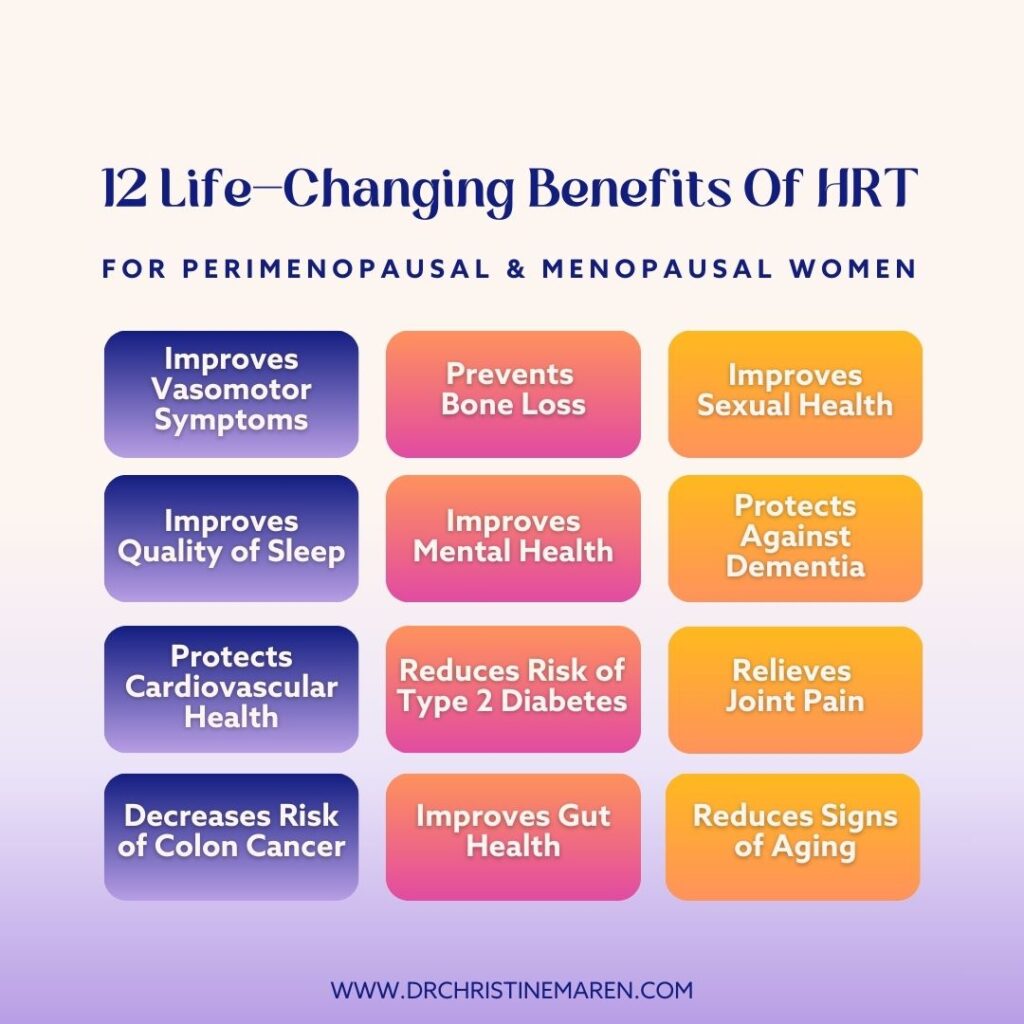
12 Life-Changing Benefits Of HRT For Perimenopausal & Menopausal Women
As you’ve already gleaned, there are many possible benefits of HRT, especially for perimenopausal women who, research has shown, are at the “sweet spot” for reaping all the benefits with negligible risks.
Are there risks?
As with all types of medications, there are risks for some women.
However, as you’ve just learned, the risks have been grossly overstated and misrepresented, especially regarding breast cancer and heart disease.
Still, we’ll cover the risks in the next section.
In practice, I’m all about risk versus benefit. After spending thousands of hours analyzing the data and applying it in practice, I’m very comfortable stating that the benefits of HRT far outweigh the risks for most women (but, as always, talk to your provider about this, because your body, health, and situation is unique).
Let’s have a look, shall we?
1. HRT Is The Best Treatment For Vasomotor Symptoms Like Hot Flashes And Night Sweats
HRT is well-known for reducing or ameliorating vasomotor symptoms, such as those pesky hot flashes that can make you feel like you’re about to faint or burst into flames.
HRT is the most effective treatment for vasomotor symptoms like hot flashes and night sweats. 19, 20, 21
Let’s focus on heart palpitations for a minute because I’ve seen a handful of perimenopausal women who have been referred to cardiologists and prescribed heart medications that don’t have awesome side effects… and when they start HRT, those palpitations sometimes resolve!
Here’s why.
The sinoatrial node, your heart’s natural pacemaker, has estrogen receptors (!), making it susceptible to hormonal fluctuations.
As you may have noticed, palpitations often occur at the same time as hot flashes, suggesting they may have a similar underlying cause related to the autonomic nervous system and vasodilation, which are key mechanisms in vasomotor symptoms.
While palpitations are not always grouped as a classic vasomotor symptom, they are closely associated with the hormonal changes of menopause and are often experienced alongside hot flashes and night sweats.
Therefore, some clinicians may include them in the broader category of vasomotor symptoms, especially in menopausal women.
Tell a friend!
2. HRT Helps Prevent Bone Loss And Osteopenia/Osteoporosis
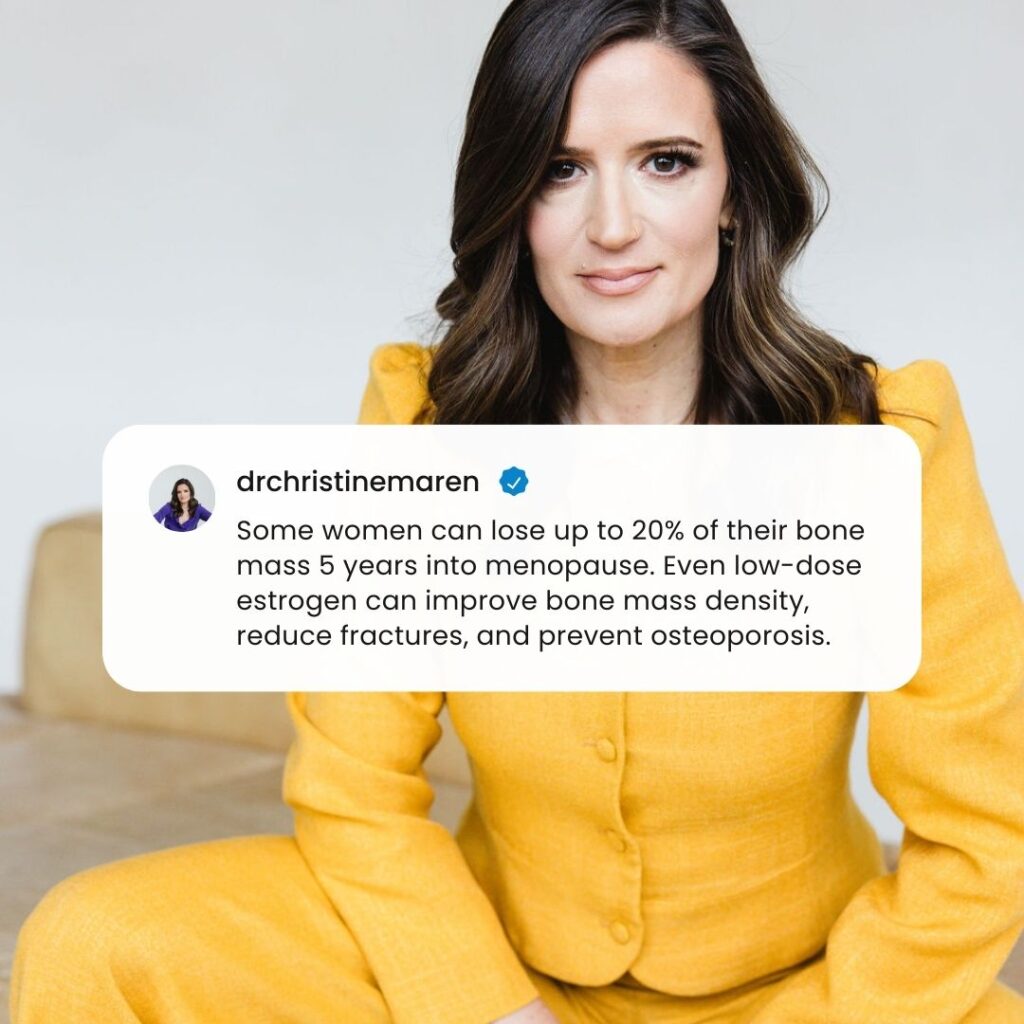
I see osteopenia and osteoporosis in my practice all the time, and it is often preventable with HRT timed right.
It is well known that HRT is effective in preventing and treating bone loss and osteoporotic fractures, especially when started near menopause.22, 23, 24
This is important, ladies, because bone density wanes as hormone levels dip, and osteoporosis and hip fracture risk are major causes of morbidity and mortality in aging women.
Even low-dose estrogen can improve bone mass density, thereby helping prevent fractures and prolong life.
Progesterone,25 DHEA,26 and testosterone27 also play significant roles in bone metabolism and the prevention of osteoporosis.
It's particularly important to take HRT to help prevent osteoporosis if your periods stop before the age of 45 (early menopause).
Quick aside: U.S. Preventive Services Task Force (USPSTF) doesn’t recommend DEXA screening for most women until they are age 65. I’d argue that this is way too late - why not reap the benefits of HRT while you can!
Outside of age and early menopause, some factors that increase the risk of osteoporosis include:
- Smoking
- Moderate alcohol use
- Family history of osteoporosis or hip fractures
- Low body weight or being thin
- Sedentary lifestyle (lack of weight-bearing exercise)
- Nutritional deficiencies
- Certain medical conditions including rheumatoid arthritis, type I diabetes, untreated long-standing hyperthyroidism, malabsorption and chronic liver disease
You can learn more about the risk of bone fracture by using the FRAX (fracture risk assessment tool).
3. HRT Prevents UTIs, Improves Sexual Health And Genitourinary Symptoms
Perimenopause and menopausal symptoms like vaginal dryness, irritation, painful intercourse, and urinary symptoms like recurrent UTIs or urinary frequency/ urgency can really put a damper on your sex life and self-esteem.
If these things are important to you, then local vaginal estrogen can provide significant benefits with very minimal (if any) risk.
Unlike systemic HRT, vaginal estrogen works locally to treat symptoms of Genitourinary Syndrome of Menopause (GSM), including vaginal dryness, irritation, and recurrent UTIs. Because of its localized action, vaginal estrogen has minimal systemic absorption.
Vaginal estrogen directly targets the vaginal and urinary tissues, restoring moisture and improving the vaginal epithelium.28, 29, 30
Vaginal DHEA (prasterone) is also effective and helps regenerate vaginal and urethral tissue by converting to both estrogen and testosterone locally, which may improve tissue elasticity and function. Local DHEA may provide additional androgen-related benefits and work better for urinary symptoms like incontinence.31, 32
I have several favorite OTC and prescription vaginal creams and inserts for this with estradiol, estriol, and/or DHEA.
Remember, these don’t provide the same benefits as systemic estradiol, but local estrogen or DHEA is superior for the prevention of UTIs and managing GSM (so I often recommend both).
Don’t take my word for it… If you want to learn more, I’ll refer you to this excellent lecture from urologists and sexual medicine experts, Drs. Rachel Rubin and Ashley Winter.
If this resonates, there's more.
My newsletter and community are where I share clinical insight, evolving research, and what's helping women feel more like themselves again in midlife.
4: HRT Can Improve Sleep Quality And Quantity
Just when the sleepless nights of tending to young children are behind you, perimenopause symptoms like hot flashes, night waking, night sweats, racing thoughts, and/or anxiety rear their ugly heads!
Sleep disturbances are very common during perimenopause and menopause, and HRT can help!
For example, estrogen therapy has been associated with improved quality of life by reducing insomnia and mood swings.33
Oral progesterone can also be super helpful for sleep onset (like life-changing improvement in sleep),34 but it may depend on how you metabolize progesterone, which we can see from a DUTCH test (learn more about that here).
Given the links between sleep deprivation and so many health issues like metabolic disease, heart disease, mental illness, dementia, and more, HRT is a great option for this.
5. HRT Can Improve Mood And Mental Health
Did you know the first-line therapy for depression and anxiety in perimenopause and menopause is HRT, not SSRIs?
That doesn’t mean there’s no time and place for SSRIs, but we need to focus on HRT first.
Remember this if your doctor recommends an antidepressant or anti-anxiety medication and you are of perimenopausal/menopausal age, which can be as early as your 30s in some cases.
So here’s the deal.
Estrogen, testosterone, and progesterone are all neuroprotective and related to mood and cognitive health.
Estradiol especially plays a role in the regulation of serotonin and serotonergic pathways believed to be involved in the neurobiological basis of depression.
Therefore, when estradiol levels fluctuate during perimenopause and menopause, destabilizing effects on mood can occur.
We’ve known this for a while.
However, recently, Cambridge University published an article about how HRT, specifically transdermal estradiol (patch, gel, or cream) with oral micronized progesterone, can help offset the mental/emotional symptoms of perimenopause and menopause.35
Here’s a quote from “Severe Mental Illness and the Perimenopause” published by Cambridge University Press (get the full article here):
“In new-onset low mood associated with the perimenopause, HRT (oestradiol and progestogen if needed) is the first line of treatment, and there is no evidence that antidepressants are beneficial. Current guidelines are to treat perimenopausal depression as any other depressive episode. However, it is known that peri- and postmenopausal people do not respond to selective serotonin reuptake inhibitors as effectively as other demographics, and rates of discontinuation due to adverse events are significant. Oestradiol therapy has been shown to be beneficial in the treatment of perimenopausal depression both as a standalone agent and with even greater effect when combined with antidepressants.”
6. HRT Provides Cognitive Benefits And May Protect Against Dementia
As we just discussed, hormones like estrogen, progesterone, testosterone, and others are neuroprotective.
So when those hormones wane, women often have brain fog, memory lapses, and general cognitive decline, which can be mild or severe.
Reanalysis of the WHI data, published in 2013, showed beneficial effects of hormone therapy on cognitive outcomes, including Alzheimer's disease and dementia risk, for women who started HRT before age 65 or within 5 years of menopause.36
While HRT is not currently recommended for the prevention of dementia, of which women are more susceptible,37 some evidence suggests early initiation may prevent cognitive decline when used during perimenopause (and this, my friends, is one reason I decided to start HRT early!).38
For example, one study showed women who took HRT had higher gray matter volume (a significant part of your brain and central nervous system involved in memory, emotions, movement, and mental function) than those who didn’t.39
This article by Dr. Mosconi, one of the country’s leading menopause neuroscientists, does an excellent job explaining how menopause changes the brain and how HRT can help.
However, the right combination of HRT is essential as progestins (not progesterone) may dampen the beneficial brain effects of estradiol.
Since changes in the brain start well before symptoms present, I usually recommend starting HRT early to take advantage of this risk reduction (remember, hormones are better at prevention than reversal).
And I can share that in my clinical experience women on HRT feel sharper, and can remember names again.
7. HRT May Provide Excellent Cardiovascular Health Benefits
HRT has been shown to have some pretty incredible cardiovascular health benefits.
Multiple trials support early initiation of HRT to reduce cardiovascular disease markers. However, other trials such as WELL-HART, show no benefit in women with existing heart disease.
Timing is important here, as cardiovascular benefits are found when started early in women without pre-existing heart disease.
Here’s a summary of 5 important trials:
- EPAT: Found that estrogen alone slowed the progression of carotid intima-media thickness (CIMT), a surrogate marker for atherosclerosis, in postmenopausal women without pre-existing cardiovascular disease. 40
- KEEPS: Showed that early initiation of HRT reduced arterial stiffness and improved cardiovascular markers in recently menopausal women.41
- DOPS: Demonstrated lower cardiovascular mortality in women who initiated HRT early after menopause. 42
- ELITE: demonstrated that HRT significantly slowed atherosclerosis progression when started within six years of menopause but had no effect if initiated later. 43
- WELL-HART: did not show a significant impact of HRT on coronary artery disease progression in postmenopausal women with pre-existing cardiovascular disease. 44
In a 2022 article titled Menopausal Hormone Replacement Therapy and Reduction of All-Cause Mortality and Cardiovascular Disease: It’s About Time and Timing, we learned that:
“Initiated in women <60 years of age and/or at or near menopause, HRT significantly reduces all-cause mortality and cardiovascular disease (CVD) whereas other primary CVD prevention therapies such as lipid-lowering fail to do so… HRT is a sex-specific and time dependent primary CVD prevention therapy that concomitantly reduces all-cause mortality as well as other aging-related diseases with an excellent risk profile.”
To complicate matters, we also have to consider the route of administration.
Many studies have demonstrated estrogen’s effect on lowering LDL (“bad”) cholesterol and increasing HDL (“good”) cholesterol.
Transdermal estrogen is generally preferred for heart health as it avoids first-pass metabolism in the liver, reducing the risk of blood clots.
However, oral estradiol, not transdermal, probably has a greater effect on reducing LDL and increasing HDL cholesterol. 45, 46
And oral, not transdermal, estrogens were studied in the EPAT Trial, mentioned above, which showed estradiol's positive effect on atherosclerosis.
However, this view is debated, and many studies indicate that transdermal estrogen is associated with fewer thromboembolic risks. More research is needed.
So, again, there’s a lot to consider here and a lot up for debate.
Additionally, HRT’s benefits for insomnia, mental illness, and metabolic health—all of which impact the heart—may provide secondary benefits for heart health.
The key takeaway from trials on HRT and cardiovascular health in women is that the timing of therapy plays a crucial role.
Early initiation of HRT (perimenopause or shortly after menopause) has been shown to provide cardioprotective benefits, whereas starting it later may not offer the same effects.
In other words, HRT is best used as a preventive tool.
8: HRT Promotes Metabolic Health, Helps Body Composition, And Lowers The Risk Of Type Two Diabetes
We’ve all heard about how perimenopause/ menopause can slow your metabolism, leading to things like weight gain (menopause belly!), insulin resistance, metabolic syndrome, and even diabetes…not fun! 47, 48, 49
However, HRT, particularly estrogen therapy, has been shown to have a protective effect against the development of Type 2 diabetes by improving insulin sensitivity and glucose metabolism in postmenopausal women.50
Estrogen can also help you maintain muscle mass, which is critical for weight loss (especially after 40), bone health, and resilience.51
Here are a few studies supporting metabolic benefits of HRT:
- WHI: demonstrated a 21% reduction in diabetes incidence in the estrogen-only arm, and a 33% reduction in diabetes incidence in the estrogen-progestin arm. 52
- KEEPS: showed improved insulin sensitivity with HRT use in recently postmenopausal women. 53
- ELITE: While primarily focused on cardiovascular outcomes, this study also showed metabolic benefits in women who started HRT earlier after menopause.54
Why is this? Let me explain.
Insulin sensitivity: estrogen improves insulin sensitivity, reducing glucose production, and regulates genes involved in insulin signaling pathways.56, 57
Brown fat and thermogenesis: estrogen activates brown adipose tissue (BAT), increasing energy expenditure, and promotes "browning" of white adipose tissue, creating more metabolically active beige fat (this is what you want!).
Appetite regulation: estrogen interacts with leptin and ghrelin, influencing hunger and satiety signals. This, in combination with estradiol’s effects on decreasing food intake, can result in weight loss and blood sugar benefits.58, 59
Lipid metabolism: estrogen enhances lipolysis and fatty acid oxidation, and may improve lipid profiles, increasing HDL and decreasing LDL cholesterol.
While HRT isn't primarily a weight loss treatment, it can help prevent the metabolic slowdown and fat redistribution often seen in perimenopause/ menopause.
Related reading: How To Lose Weight In Your 40s (and beyond)
9: HRT Can Relieve Joint Pain And Musculoskeletal Syndrome Of Menopause
Achey joints and muscle pain are symptoms of aging, but they’re also symptoms of menopause.
This is a big deal as over 70% of women will experience musculoskeletal symptoms, with 25% becoming disabled from those symptoms through the transition from perimenopause to postmenopause. 60
HRT can help with this as estradiol positively influences pain processing, and both estradiol and progesterone help protect musculoskeletal health, especially bone health.
Dr. Vonda Wright, an orthopedic surgeon and co-author of the paper "The Musculoskeletal Syndrome of Menopause", sheds light on the various musculoskeletal issues that women often face during menopause.
Estrogen plays a protective role in maintaining joint and muscle health, and with a decline in estrogen during perimenopause/ menopause, women are more susceptible to joint pain and muscle stiffness and loss of muscle mass. 61
The loss of estrogen can also increase inflammation and making existing conditions like arthritis worse.62
10: HRT Decreases Colon Cancer Risk
Earlier, I mentioned one of the key findings of the original WHI study was a reduced risk of colon cancer in postmenopausal women!63
According to the study, women in the combined estrogen-progestin group had almost 40% lower risk of developing colorectal cancer compared to the placebo group.64
Yet, this was barely reported on.
The Nurses’ Health Study reported similar findings on colorectal cancer risk reduction associated with HRT use. These benefits are more evident with combined estrogen-progestin therapy rather than estrogen-alone therapy. 65
It is believed estrogen may influence cancer risk by affecting bile acid metabolism and insulin sensitivity, both of which play a role in the development of colorectal cancer.
Additionally, estrogen is believed to reduce inflammation in the colon, potentially lowering cancer risk.
These studies suggest HRT (combined estrogen-progestin) may have a protective effect against colorectal cancer in women.
11. HRT Is Good For Gut Health
Hormones and gut health may seem at opposite ends of the biological spectrum, but they are intimately connected.
Here’s how this works.
Estrogen significantly influences the gastrointestinal tract, including the composition and diversity of the gut microbiome and the intestinal barrier integrity. As you’ve already learned, it also has anti-inflammatory/antioxidant properties.
When estrogen levels decline, this can lead to a disruption in microbial diversity, gut barrier integrity, and inflammatory response, which has a domino effect on metabolism, digestion, immunity, and inflammation.
The decline in estrogen has also been linked to irritable bowel syndrome (which is often caused by SIBO, BTW).66
We talk more about gut health issues and how gut function works in relation to immunity, inflammation, and more in: How To Heal Your Gut 101.
Regarding HRT, studies have shown estrogen replacement can promote gut health by encouraging the growth of beneficial bacteria, which are linked to better gut health, cardiovascular health, reduced inflammation, metabolic function, and immune function.67, 68
These gut health benefits highlight the broader impacts of HRT beyond its traditional use for menopausal symptoms.
12. HRT Provides Skin, Hair, And Cosmetic Benefits
The signs of aging can be hard on women, especially when we’re in the throes of perimenopause.
Several studies have shown HRT, estrogen specifically, may help with that in several ways, including:69
- Improving skin thickness and elasticity via estrogen’s effects on collagen production. This can last for several years.
- Moisture retention and hydration via estrogen’s positive effects on hyaluronic acid production.
- Reduction in wrinkles due to estrogen's positive impacts on collagen, elasticity, and skin thickness.
- Increased blood flow to the skin resulting in a more youthful appearance.
- Reduction in acne and oiliness is often due to an imbalance in androgen hormones. HRT, specifically combined estrogen-progesterone therapy, can help balance this out, and reduce breakouts and sebum production.
- Greater UV protection via estrogen benefits skin recovery from UV-induced damage. HRT may also improve skin resilience to environmental stressors.
Beauty tip: You can also find low-dose topical estrogen creams (estriol) that have proven skin health benefits.70
HRT may also help you grow thicker, fuller hair as it supports the growth phase of hair follicles and helps reduce stress and anxiety (which also contribute to hair loss).
Related reading: A Functional Medicine Doctors Clean Beauty Routine + Anti-Aging Tips.
The Actual Risks of HRT
Now that we’ve put the breast cancer fears to rest let’s talk about the actual risks of HRT.
Remember: with any intervention and medicine, it’s really important to consider risks versus benefits.
This is the ethos of integrative medicine at its core.
There are risks associated with HRT. However, it’s important to note that a lot of this data comes from the original WHI study, which used CEE and synthetic progestins.
Therefore, while HRT (or anything) is not all benefit and no risk, we do need more research on body-identical hormones to truly assess the validity of these risks for different age groups, populations, etc.
The most relevant and important risk to consider is endometrial (uterine) cancer.
For women with a uterus, taking estrogen-only therapy increases the risk of endometrial hyperplasia and cancer.
Combined estrogen-progestogen therapy mitigates this risk. This is why you’re always prescribed progesterone when taking estrogen (unless you’ve had a hysterectomy).
The most common sign of this is abnormal uterine bleeding. Any vaginal bleeding after menopause is a red flag and should always be evaluated, especially in women on HRT. Irregular, heavier-than-usual, spotting or breakthrough bleeding in perimenopausal women could also be a sign.
So if you are on HRT and experience abnormal vaginal bleeding, you need to talk to your doctor.
Some other potential risks associated with HRT include:71
- Blood Clots: The risk increases slightly if you take hormones by mouth (this also happens with birth control pills). However, transdermal estrogen (such as a patch, gel, or spray) does not increase the risk of blood clots.72, 73
- Cardiovascular Disease: when started more than 10 years after menopause or after the age of 60, there is a slight increase in the risk of cardiovascular events, including stroke and heart attack. However, in younger women (ages 50-59) or those closer to the onset of menopause, HRT may have cardiovascular benefits, particularly for estrogen-only therapy.
- Stroke: Oral HRT is linked to a small increased risk of ischemic stroke, particularly in older women or those who begin HRT well after menopause. This risk is also lower in women who use transdermal HRT.
- Gallbladder Disease: HRT, particularly oral estrogen therapy, has been linked to an increased risk of gallbladder disease and the need for gallbladder surgery. This risk appears lower with transdermal formulations.
In discussing HRT risks, we must examine the differences between transdermal and oral application. Remember, timing and application really count!
It's important to note that the risks and benefits of HRT can vary significantly based on individual factors such as age, time since menopause onset, presence of other risk factors, and the specific type and dose of hormones used.
The current consensus among many medical societies is that for most women, the benefits of HRT outweigh the risks when started near menopause.
However, decisions about HRT should always be made on an individual basis in consultation with a healthcare provider.
It is true that ORAL estrogen may be associated with a higher risk of blood clots.
The good news is that transdermal estrogen works really well, and it doesn’t have the same side effects.
Key Takeaways from this Article:
We have covered a LOT here, so let’s recap the most important points before we move on to Part III: Treatment Options:
- The original WHI study did not accurately represent the benefits and risks of HRT. Yet, the media has been very slow to report on the miscommunications about breast cancer risk.
- Reassessment of the original study and various additional studies have shown little to no risk of breast cancer from HRT, especially if started early (within ten years of menopause). There is no risk if taking estrogen-only HRT, and the risk is very small if taking combined estrogen and progesterone.
- Synthetic hormone derivatives are not the same as body-identical HRT. This has been proven by various studies.
- Bio-identical hormones and body-identical hormones have been shown to be generally safer and more effective than synthetic derivatives versions. For this reason, I prefer to prescribe transdermal estradiol and micronized progesterone.
- Timing is important with HRT, with many studies showing women receive the maximum benefits for bone, breast, brain, heart, and more when HRT is initiated during perimenopause or just after menopuase. There’s no need to wait and suffer full a full year before your are technically menopausal.
- HRT does have risks. However, most of the data we have on risk comes from the original WHI study, which used synthetic hormones and CEE on women over 60. Some studies suggest taking body-identical hormones at the optimal time (perimenopause) decreases these risks. But always take progesterone if you are on estrogen to protect the uterus.
I truly hope this article has helped ease your mind about the risks versus benefits of HRT, especially body-identical HRT, during perimenopause.
The demonization of HRT in 2002 was truly one of the biggest health disservices to womankind in our history, and I’m hoping this series will help remedy that.
So please share this with every woman you know, and let’s rewrite history for the better!
If you’re interested in getting started with HRT for perimenopause, we have limited openings for new patients residing in Colorado, Michigan, and Texas (where I am licensed).
Click Here To Apply To Become A Patient.
If you are not in our tri-state area but want to keep in touch, subscribe to our Monthly Newsletter and follow us on social media @drchrstinemaren.
Finally, join us for Part 3 in our Perimenopause series, where we’ll discuss more integrative perimenopause treatment options, including foundational diet and lifestyle tips, HRT, supplements, labs, exercise, and more.
- https://pubmed.ncbi.nlm.nih.gov/12117397/
- https://journals.lww.com/greenjournal/fulltext/2024/07000/a_contemporary_view_of_menopausal_hormone_therapy.3.asp
- https://www.ncbi.nlm.nih.gov/pmc/articles/PMC3963523/
- https://pubmed.ncbi.nlm.nih.gov/24084921
- https://journals.lww.com/greenjournal/fulltext/2024/07000/a_contemporary_view_of_menopausal_hormone_therapy.3.aspx
- https://www.ncbi.nlm.nih.gov/pmc/articles/PMC9322133/
- https://academic.oup.com/ije/article/44/3/801/629731?login=false
- https://www.ncbi.nlm.nih.gov/pmc/articles/PMC8762672/
- https://www.sciencedirect.com/science/article/pii/S174067572030013X
- https://journals.lww.com/greenjournal/fulltext/2024/07000/a_contemporary_view_of_menopausal_hormone_therapy.3.aspx
- https://www.ahajournals.org/doi/full/10.1161/hq0202.102318
- https://journals.lww.com/greenjournal/fulltext/2024/07000/a_contemporary_view_of_menopausal_hormone_therapy.3.aspx
- https://pubmed.ncbi.nlm.nih.gov/10340280/
- https://www.cancer.org/cancer/types/breast-cancer/about/how-common-is-breast-cancer.html
- https://www.cdc.gov/womens-health/features/heart-disease.html
- https://www.ncbi.nlm.nih.gov/pmc/articles/PMC3832299/
- https://menopause.org/wp-content/uploads/professional/nams-2022-hormone-therapy-position-statement.pdf
- https://journals.lww.com/greenjournal/abstract/2024/07000/a_contemporary_view_of_menopausal_hormone_therapy.3.aspx
- https://www.ncbi.nlm.nih.gov/pmc/articles/PMC1435607/
- https://pubmed.ncbi.nlm.nih.gov/9288699/
- https://pubmed.ncbi.nlm.nih.gov/31453973/
- https://www.ncbi.nlm.nih.gov/pmc/articles/PMC1435607/
- https://pubmed.ncbi.nlm.nih.gov/9288699/
- https://pubmed.ncbi.nlm.nih.gov/10340280/
- https://www.ncbi.nlm.nih.gov/pmc/articles/PMC2968416/
- https://pubmed.ncbi.nlm.nih.gov/32504237/
- https://www.nature.com/articles/s41598-022-21008-7
- https://www.cochrane.org/CD005131/RENAL_oestrogens-for-preventing-recurrent-urinary-tract-infection-in-postmenopausal-women
- https://www.ncbi.nlm.nih.gov/pmc/articles/PMC7737516
- https://www.acpjournals.org/doi/10.7326/ANNALS-24-00610
- https://www.ncbi.nlm.nih.gov/pmc/articles/PMC10281961/
- https://www.sciencedirect.com/science/article/abs/pii/S0378512215000535
- https://menopause.org/wp-content/uploads/professional/nams-2022-hormone-therapy-position-statement.pdf
- https://www.tandfonline.com/doi/full/10.1080/13697137.2018.1455657
- https://www.cambridge.org/core/journals/bjpsych-bulletin/article/severe-mental-illness-and-the-perimenopause/8D072AACBCD3C7888C173B36635C08C3
- https://www.ncbi.nlm.nih.gov/pmc/articles/PMC3963523/
- https://www.ncbi.nlm.nih.gov/pmc/articles/PMC10796575/
- https://news.weill.cornell.edu/news/2023/10/study-suggests-estrogen-to-prevent-alzheimer%E2%80%99s-warrants-renewed-research-interest
- https://www.nature.com/articles/s41598-023-28673-2
- https://pubmed.ncbi.nlm.nih.gov/11730394/
- https://pubmed.ncbi.nlm.nih.gov/31453973/
- https://pubmed.ncbi.nlm.nih.gov/10340280/
- https://pubmed.ncbi.nlm.nih.gov/25380275/
- https://pubmed.ncbi.nlm.nih.gov/11730394/
- https://www.nejm.org/doi/10.1056/NEJM199110243251702?url_ver=Z39.88-2003&rfr_id=ori:rid:crossref.org&rfr_dat=cr_pub%20%200www.ncbi.nlm.nih.gov
- https://www.ncbi.nlm.nih.gov/pmc/articles/PMC8063246/#CIT0006
- https://www.ncbi.nlm.nih.gov/pmc/articles/PMC8063246/#CIT0006
- https://pubmed.ncbi.nlm.nih.gov/27973745/
- https://www.ncbi.nlm.nih.gov/pmc/articles/PMC9178928/
- https://www.ncbi.nlm.nih.gov/pmc/articles/PMC8063246/
- https://pubmed.ncbi.nlm.nih.gov/39077777/
- https://pubmed.ncbi.nlm.nih.gov/15252707/
- https://pubmed.ncbi.nlm.nih.gov/31453973/
- https://pubmed.ncbi.nlm.nih.gov/25380275/
- https://pubmed.ncbi.nlm.nih.gov/36419765/
Body composition: estrogen plays a crucial role in maintaining muscle mass and function, which is metabolically active tissue. It also influences fat distribution, promoting subcutaneous fat over visceral (belly) fat. 55https://pubmed.ncbi.nlm.nih.gov/39077777/
- https://www.ncbi.nlm.nih.gov/pmc/articles/PMC8569454/
- https://pubmed.ncbi.nlm.nih.gov/36419765/
- https://www.nwhjournal.org/article/S1751-4851(18)30198-3/abstract
- https://www.ncbi.nlm.nih.gov/pmc/articles/PMC9915903/
- https://pubmed.ncbi.nlm.nih.gov/39077777/
- https://pubmed.ncbi.nlm.nih.gov/39077777/
- https://menopause.org/wp-content/uploads/professional/nams-2022-hormone-therapy-position-statement.pdf
- https://menopause.org/wp-content/uploads/professional/nams-2022-hormone-therapy-position-statement.pdf
- https://pubmed.ncbi.nlm.nih.gov/9556463/
- https://www.ncbi.nlm.nih.gov/pmc/articles/PMC3949254/
- https://pubmed.ncbi.nlm.nih.gov/28778332/
- https://www.ncbi.nlm.nih.gov/pmc/articles/PMC8733385
- https://www.ncbi.nlm.nih.gov/pmc/articles/PMC2685269/
- https://www.sciencedirect.com/science/article/pii/S2352647519300012
- https://menopause.org/wp-content/uploads/professional/nams-2022-hormone-therapy-position-statement.pdf
- https://pubmed.ncbi.nlm.nih.gov/33417686/
- https://www.bmj.com/content/364/bmj.k4810/rr-1